
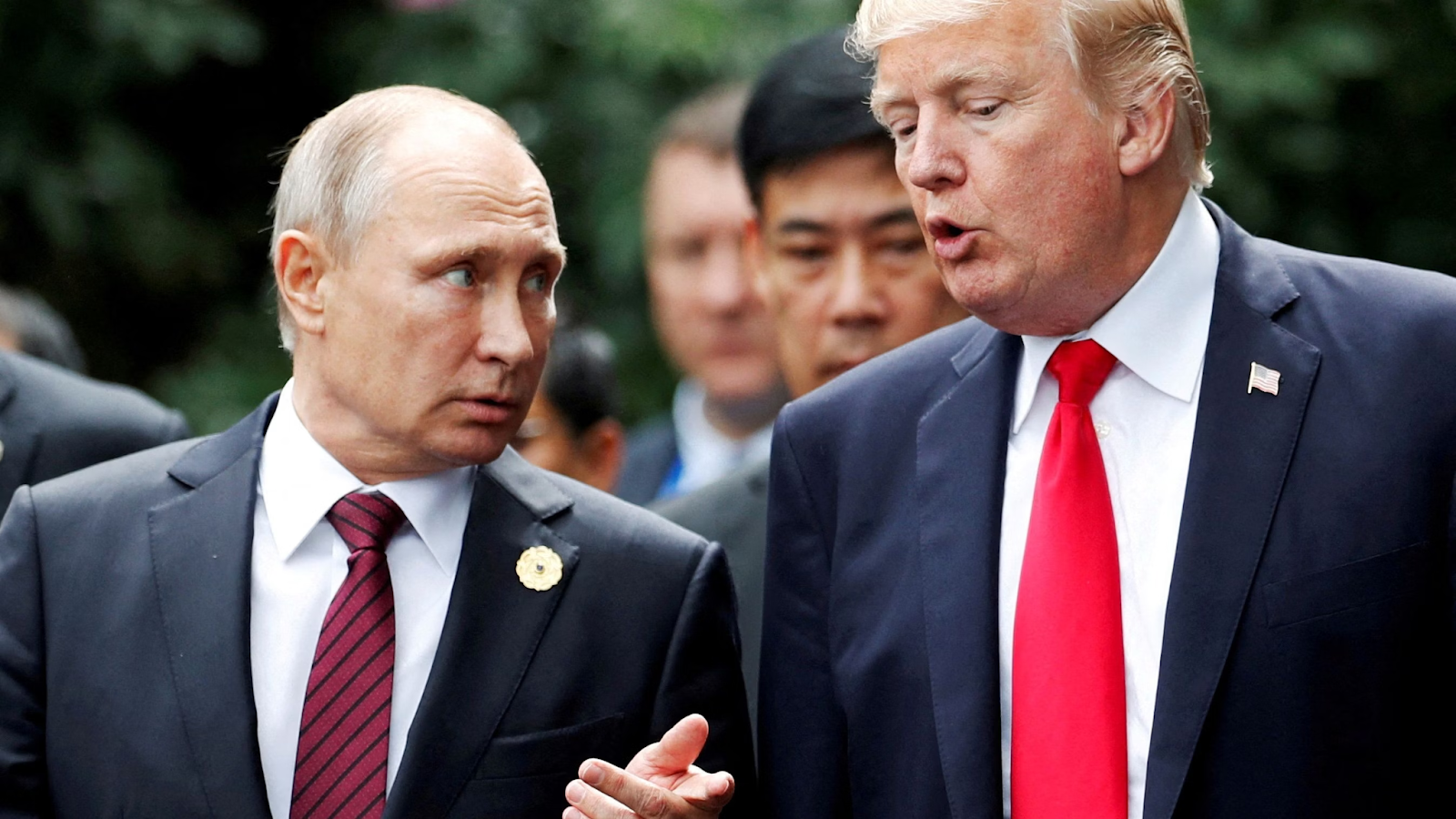
The clock is ticking for diplomats and security officials as they rush to organize the high-stakes summit between Donald Trump and Vladimir Putin in Alaska. President Trump himself acknowledged the logistical challenges, stating the August 15 meeting would have happened “much quicker” if not for the complex “security arrangements.”
Organizing a summit between two major nuclear powers is a monumental task under normal circumstances. Doing so on relatively short notice, in a location like Alaska, and with the backdrop of an active war, adds layers of complexity. It involves coordinating everything from secure communication lines to airspace control and physical protection for both leaders.
The rush suggests a strong political will from the White House to make the meeting happen before any potential obstacles can arise. Trump’s comment that both he and Putin “would like to meet as soon as possible” indicates a shared sense of urgency, though their reasons may differ.
As officials work around the clock to finalize the details, the pressure is on to ensure a secure and functional environment for what could be one of the most consequential diplomatic meetings in recent history. The success of the logistics will be the first, crucial test of the hastily arranged summit.
The Clock is Ticking: Inside the Rush to Organize the Alaska Summit
Picture Credit: www.heute.at
48