
World leaders, convening for a second day of climate talks in Brazil, are grappling with a bold new proposal from the host nation. Brazil’s President Luiz Inácio Lula da Silva has put forth a plan aimed at mobilizing significant funding to halt the devastating destruction of tropical rainforests, which are critical buffers against global warming.
The proposal, dubbed the “Tropical Forests Forever Facility,” is designed to provide payments to 74 developing countries. The core idea is to compensate these nations for keeping their forests intact, effectively making preservation a new form of economic revenue. This initiative is a centerpiece of the talks being held in the Amazonian city of Belem.
Unlike traditional aid, the facility would be financed through interest-bearing debt, sourcing loans from wealthier nations and commercial investors. This model aims to fundamentally shift the economic equation, making it more lucrative for governments to protect their natural resources rather than allow their destruction for short-term gains.
The challenge is immense, as the current economic incentives often favor industries like cattle ranching, mining, and illegal logging, which profit from deforestation. Brazil’s goal is to convince the world that the long-term rewards of preservation—namely the absorption of massive amounts of carbon dioxide—benefit the entire planet far more.
Early signs of support are emerging. Norway has already pledged a substantial $3 billion, the largest commitment of the day. With a total of $5.5 billion announced by Brazilian officials and a meeting pending with Germany’s Chancellor Friedrich Merz, hopes are high that Lula’s ambitions could become a reality.
Brazil Proposes Radical “Pay-to-Preserve” Fund to Save World’s Rainforests
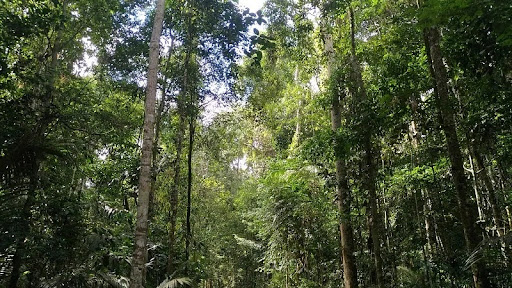
Picture Credit: www.rawpixel.com
40