
North Korea has issued a blistering condemnation of a newly finalized agreement between South Korea and the United States, warning that the deal to develop nuclear-powered submarines will trigger a catastrophic “nuclear domino” effect across the region. State media channels broadcast the commentary on Tuesday, describing the bilateral move as a “dangerous attempt at confrontation.” This sharp rhetoric highlights the fragility of the security situation on the Korean peninsula, despite recent attempts at diplomatic outreach.
The controversy centers on an announcement made last week by South Korean President Lee Jae Myung regarding a landmark security and trade agreement with Washington. Crucially, this deal grants Seoul the support needed to expand its authority over uranium enrichment and spent-fuel reprocessing—key steps in developing atomic-powered vessels. While Seoul views this as a necessary defensive upgrade, Pyongyang interprets the acquisition of nuclear submarines as a direct threat to the strategic balance, predicting it will inevitably spark a “hot arms race” in East Asia.
The timing of North Korea’s verbal barrage adds a layer of complexity to inter-Korean relations. The commentary was released just one day after the South Korean government proposed holding military talks with Pyongyang. This offer, intended to prevent accidental border clashes, marked the first such overture in seven years. It was part of a broader initiative by President Lee to engage in unconditional discussions, signaling a departure from the harder-line policies of his conservative predecessor.
Despite the olive branch extended by the South, the North appears focused on the implications of the military buildup. By labelling the submarine program a catalyst for a “nuclear domino phenomenon,” Pyongyang is suggesting that South Korea’s nuclear ambitions could prompt other non-nuclear states in the region to pursue similar capabilities, thereby destabilizing the entire geopolitical landscape. The accusation frames the South as the aggressor, complicating the narrative of Seoul as the peacemaker seeking dialogue.
As of now, North Korea has not officially responded to President Lee’s proposal for military talks or broader discussions. The silence on the diplomatic front, juxtaposed with the loud condemnation of the submarine deal, suggests that Pyongyang is prioritizing security concerns over engagement. The region now watches with bated breath to see if the “nuclear domino” rhetoric will escalate into physical provocation or if the offer for talks can survive the current storm of accusations.
Pyongyang Warns of “Nuclear Domino” After Seoul-Washington Submarine Pact
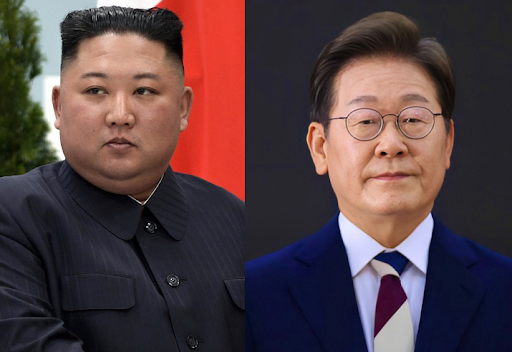
Picture Credit: www.commons.wikimedia.org
36