
South Africa’s President Cyril Ramaphosa has confirmed a significant last-minute development: the United States is now actively reconsidering its previous decision to skip the upcoming G20 summit in Johannesburg. This reversal comes after days of high-stakes diplomatic maneuvering that followed Washington’s controversial declaration of a boycott. The world stage, which was bracing for a major rift, now watches to see if President Donald Trump will personally make an appearance.
The initial diplomatic firestorm erupted when President Trump leveled accusations against South Africa, citing alleged discrimination, violence, and land seizures targeting white Afrikaners and farmers. South African officials vehemently rejected these claims, labeling them as inaccurate, politically charged, and an undue interference in domestic affairs. Despite this sharp exchange, South Africa pressed ahead with preparations for what would be the continent’s inaugural G20 summit.
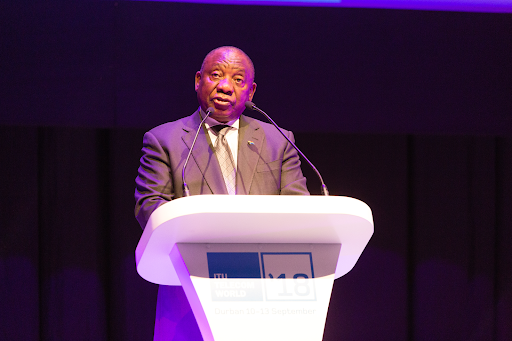
Speaking to a consortium of European leaders, President Ramaphosa characterized the recent US outreach as an unequivocally “positive sign” of de-escalation. He underlined his long-held belief that diplomatic boycotts rarely yield constructive results, instead advocating for a philosophy of inclusive global cooperation to tackle shared economic challenges. The host nation has consistently maintained that its G20 agenda is meticulously tailored to address the critical developmental priorities facing emerging and developing economies worldwide.
The tensions had reached a peak when a US diplomatic message was circulated, warning that the G20 might be unable to issue its customary unified final statement if the American delegation was absent. This move was sharply criticized by South Africa, which officially condemned it as a form of “coercion” and a blatant attempt to undermine the foundational principles of multilateral decision-making. Officials in Pretoria argued that permitting an absent nation to hold the proceedings hostage would establish a perilous and untenable international precedent.
Concluding his remarks, Ramaphosa affirmed that South Africa remains resolutely committed to achieving a comprehensive consensus, irrespective of the lingering disagreements. He tacitly acknowledged the reality of the US assuming the subsequent G20 presidency but was clear that the global forum’s long-term legitimacy hinges entirely on the principle of inclusivity and a collaborative spirit, not on the application of unilateral pressure tactics.
Diplomatic Breakthrough: US Reconsiders Boycott, May Attend Historic South Africa G20
Picture credit: www.commons.wikimedia.org
27