
The diplomatic friction between Japan and China has intensified following Japanese Prime Minister Sanae Takaichi’s recent statements about potential military involvement if Beijing takes armed action against Taiwan. In response, China’s embassy in Tokyo has issued a renewed travel advisory, warning Chinese citizens about alleged “unprovoked insults and beatings” targeting Chinese nationals in Japan. This advisory represents the second such warning, with the first issued on November 14, immediately following Takaichi’s controversial remarks.
The economic implications of this diplomatic standoff are substantial. Economist Takahide Kiuchi estimates that the travel advisory could cost Japan approximately 1.8 trillion yen ($11.5 billion), potentially reducing the country’s annual economic growth by 0.3 percentage points. China was poised to reclaim its position as Japan’s top source of tourists this year, with over 8 million Chinese visitors arriving in the first ten months, representing 23% of total tourist arrivals according to the Japan National Tourism Organization.
The impact is already being felt on the ground in Japan’s tourism sector. Rie Takeda, who operates a traditional tearoom in Tokyo’s historic Asakusa district, has reported 200 cancellations for her tea ceremony classes extending into January. Her establishment typically welcomes around 3,000 Chinese visitors annually, and she remains hopeful that tourists will return by Chinese New Year in February, though historical precedents suggest recovery may take considerably longer.
Beyond tourism, the diplomatic tensions are affecting various cultural and commercial exchanges. Two Japanese movie releases in China have been suddenly postponed, and a comedy festival in Shanghai cancelled performances by a Japanese entertainment company. There are also concerns about potential Chinese restrictions on rare earth exports, which are crucial for automotive production and other industries, and uncertainty surrounds whether Beijing will lift its two-year ban on Japanese seafood imports.
At the heart of this dispute lies the “One China” principle and differing interpretations of the 1972 joint statement that formalized diplomatic relations between the two nations. While China insists on clarity regarding Japan’s position, Tokyo’s original statement said it “fully understands and respects” China’s view that Taiwan is an “inalienable part” of its territory, without explicitly agreeing to the principle itself. Prime Minister Takaichi has attempted to clarify that she didn’t intend to mention Taiwan specifically but answered sincerely when asked about specific scenarios, while maintaining her commitment to a strategic, mutually beneficial relationship with China.
Japan-China Tensions Escalate as Tourism Becomes Diplomatic Weapon Over Taiwan Stance
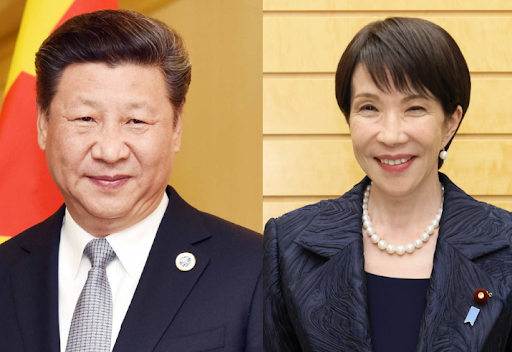
Picture credit: www.commons.wikimedia.org
32