
President Donald Trump has abruptly escalated global economic tensions by announcing a severe 25% tariff on any nation continuing to conduct business with the Islamic Republic of Iran. This directive, delivered via his Truth Social platform on Monday, declares “effective immediately” that trading partners of Tehran will be penalized in their dealings with the United States. The announcement comes at a volatile moment as Iran grapples with its most significant anti-government uprisings in years, a situation that has drawn the intense focus of the White House. While Trump’s declaration was characteristically bold and final, stating “This Order is final and conclusive,” it initially lacked specific legal citations or official White House documentation, leaving economists and foreign governments scrambling to interpret the full scope of the mandate. The move specifically threatens major economies such as China, the United Arab Emirates, and India, which remain some of Iran’s top export destinations, signaling a potential disruption to established global supply chains.
The international reaction was swift, particularly from Beijing, which has long maintained economic ties with Tehran despite Western sanctions. In a sharp rebuttal, Chinese officials condemned what they termed “illicit unilateral sanctions and long-arm jurisdiction,” vowing to take all necessary measures to protect their national interests. A spokesperson for the Chinese embassy in Washington emphasized that trade wars produce no winners and that coercion is an ineffective tool for solving complex geopolitical problems. This standoff highlights the widening rift between Washington and Beijing, as Trump continues to leverage the immense power of the American consumer market to force alignment on foreign policy issues. The tariffs, paid by U.S. importers, essentially act as a tax on American businesses buying goods from these targeted nations, raising concerns about inflation and increased costs for domestic consumers.
Meanwhile, the situation on the ground in Iran remains dire and chaotic, providing the grim backdrop for Trump’s economic maneuvering. The country has been rocked by weeks of demonstrations that have evolved from economic grievances into outright calls for the downfall of the clerical establishment. Human rights organizations report staggering casualty figures, with at least 648 people killed and over 10,600 arrests made by Iranian security forces. The regime has responded with a brutal crackdown, including internet blackouts and severing phone lines, making it increasingly difficult for the outside world to gauge the true scale of the unrest. Despite the crackdown, the U.S. administration indicated that while military options like airstrikes remain on the table, diplomacy is still the primary avenue being explored. White House Press Secretary Karoline Leavitt noted that the private messages receiving from the Iranian regime differ significantly from their public bluster, suggesting complex back-channel negotiations are underway.
The geopolitical landscape is further complicated by recent history, including a 12-day conflict between Iran and U.S. ally Israel last year, as well as American bombings of Iranian nuclear facilities in June. These events have heightened the stakes, with Trump claiming he is in contact with Iran’s opposition forces while simultaneously keeping pressure on the current leadership. Tehran, for its part, insists it is keeping communication channels with Washington open, attempting to navigate the precarious path between domestic insurrection and foreign economic warfare. The simultaneous evacuation of non-essential French embassy staff from Tehran underscores the deteriorating security situation, as foreign powers lose confidence in the regime’s ability to maintain order without resorting to extreme violence.
Trump’s latest trade policy, however, faces its own hurdles on the domestic front. The U.S. Supreme Court is currently weighing cases that could strike down broad swathes of his existing tariff regime, challenging the legal authority he uses to impose such sweeping economic measures. Throughout his second term, the President has frequently utilized tariffs as a primary weapon against perceived adversaries and unfair trade practices, often bypassing traditional legislative routes. As the world watches to see how strictly this new 25% levy will be enforced, the collision of American protectionism, Iranian civil unrest, and Chinese defiance threatens to reshape the global economic order in unpredictable ways.
Trump Ignites Global Trade Fears with Sweeping 25% Tariff on Iran’s Partners
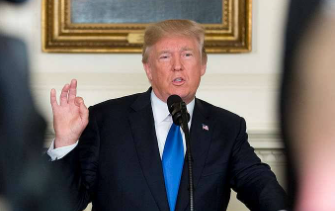
Picture Credit: www.picryl.com
70