
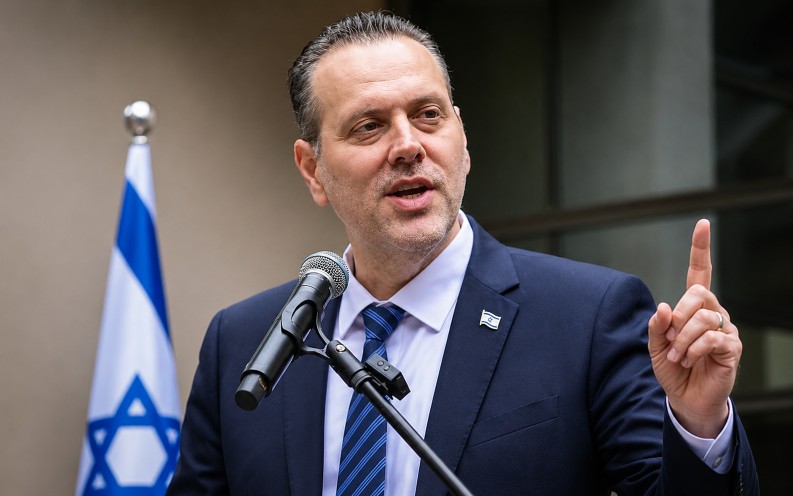
Israeli Prime Minister Benjamin Netanyahu will adhere to any decision made by the High Court of Justice, according to Culture and Sports Minister Miki Zohar. This assurance counters allegations that the government is aiming to provoke a constitutional crisis. The controversy arose following the cabinet’s approval of a resolution to disregard decisions made by the Council of the Second Authority, despite a High Court ruling allowing the broadcasting regulator to continue functioning without the necessary quorum.
The government contends that the High Court’s ruling contravenes existing laws, emphasizing that all state entities, including the judiciary, should operate within legal constraints. Zohar clarified that the government’s resolution was meant to avert, not instigate, a constitutional crisis. However, this stance has sparked significant criticism from opposition leaders and legal experts, with some warning of potential threats to democratic governance.
President Isaac Herzog cautioned that failing to comply with High Court rulings would breach a “red line,” while former Prime Minister Naftali Bennett expressed concerns that ignoring judicial decisions could lead to constitutional turmoil. The issue at hand involves the Second Authority’s role in approving a proposed acquisition of Channel 13, which has fueled accusations that the government is trying to exert political control over media regulation through the broadcasting council.
This dispute highlights the tension between the government’s actions and judicial decisions, raising questions about the balance of power in Israeli governance. Critics argue that the government’s approach could undermine the judiciary’s authority and destabilize the country’s democratic foundations. As the situation unfolds, the government’s compliance with judicial rulings remains a critical point of focus in the ongoing debate over media regulation and legal boundaries.