
The journey of a US steel tariff from a tool against China to a burden on a German motorcycle factory is a stark illustration of the unintended consequences of modern trade wars. A policy designed to protect American steel mills is now creating a compliance nightmare for high-end European manufacturers.
The origin of the policy was Donald Trump’s effort to curb Chinese imports and revive the US industry. This led to steep tariffs on raw steel. However, the policy then evolved to counter circumvention, targeting “derivative” products that might be made with foreign steel.
This is where the German motorcycle factory gets caught. As German MEP Bernd Lange explained, the factory cannot provide a perfect audit of every single component. Some bolts or brackets in its complex supply chain could have an element of Chinese steel, but proving or disproving it is practically impossible.
The US rules, however, put the onus entirely on the exporter. Unable to produce a “definitive paper trail,” the factory faces the threat of a 200% penalty. To avoid this, it over-declares its total metal content, effectively paying a premium to insure against a policy aimed at a different country and a different industry.
This convoluted chain of events shows how broadly the ripples of a trade dispute can spread. A German motorcycle, a symbol of precision engineering, has become collateral damage in a brawl over Chinese industrial policy, highlighting the interconnected and often illogical nature of global trade conflicts.
How a US-China Fight Over Steel Ended Up Hitting German Motorcycles
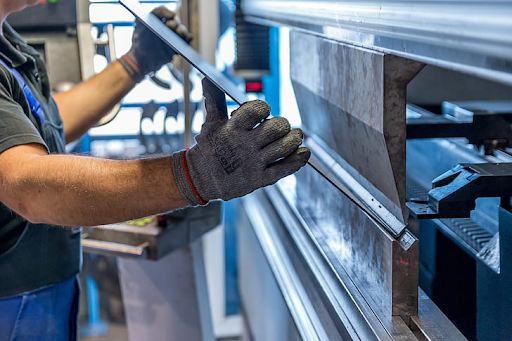
Picture Credit: www.pickpik.com
55