
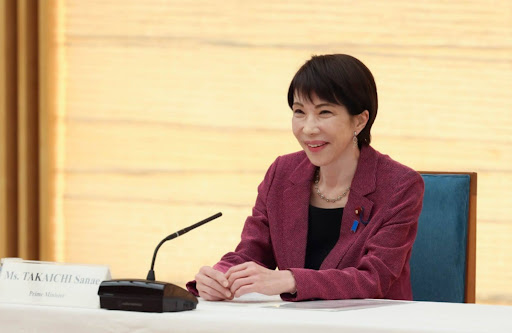
Japan has crossed a historic threshold in energy crisis management, announcing the biggest-ever release of its strategic petroleum reserves — 80 million barrels to be dispensed to domestic refiners beginning this Thursday. Prime Minister Sanae Takaichi confirmed the deployment, noting that the volume released is 1.8 times greater than anything Japan has previously drawn from its stockpiles, including the emergency response to the 2011 Fukushima nuclear disaster. The trigger is the intensifying US-Israel military conflict with Iran and its growing impact on oil tanker operations through the Strait of Hormuz.
Japan’s total oil reserves, estimated at approximately 470 million barrels at year-end, represent 254 days of domestic consumption and reflect the systematic investment Japan has made in energy security over decades. The current release of 80 million barrels — covering 45 days of demand — is a measured and proportional response to a crisis that Japanese officials consider potentially prolonged. Even after this drawdown, Japan retains a reserve holding equivalent to well over six months of consumption.
The domestic economic impact has been felt most visibly at fuel stations, where the average retail gasoline price recently climbed to a record ¥190.8 per litre. The government’s new subsidy program aims to hold prices at approximately ¥170 per litre, with adjustments made on a weekly basis. Officials are committed to preventing the global oil price spike from translating into a sustained domestic inflation surge.
Consumer anxiety has also manifested in social media-driven fears about shortages of toilet paper and other household goods, echoing memories of the 1973 oil shock and the early days of the Covid-19 pandemic. Industry and government spokespersons were quick to point out that Japan’s toilet paper supply is almost entirely domestically produced from recycled materials and is not at risk. The public was urged to purchase only what they normally need and to rely on verified information rather than social media speculation.
Prime Minister Takaichi has navigated the diplomatic dimensions of the crisis carefully, rejecting Trump’s call for naval deployment while actively pursuing multilateral diplomacy to promote stability in the Middle East. Japan’s constitution remains the bedrock of its foreign policy, limiting military options but not diplomatic ambition. Tokyo’s strategy — deploying energy reserves at home while deploying diplomats abroad — is a coherent response to a crisis that demands both economic and political solutions.