
Global oil markets were thrown into turmoil after prices surged beyond $100 per barrel for the first time in years, driven by an escalating military conflict between Israel and Iran. The spike sent shockwaves through financial markets worldwide, raising fears of prolonged economic disruption.
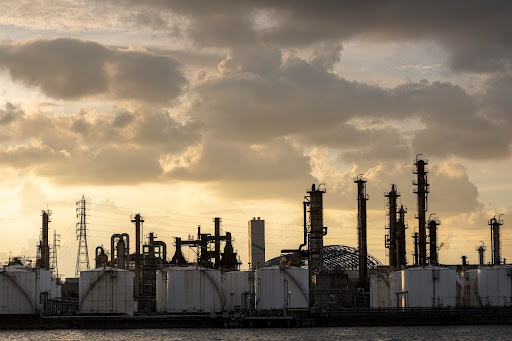
Israeli airstrikes targeted multiple energy storage facilities in and around Tehran, sending thick plumes of black smoke billowing over the Iranian capital. Four workers at Iran’s oil distribution company lost their lives in the strikes, while explosions were also reported in the nearby city of Karaj.
Iran’s Revolutionary Guards issued a stark warning, threatening to retaliate if strikes on energy infrastructure continued. A spokesperson cautioned that Gulf nations should press Israel and the United States to halt the attacks, or face similar consequences across the region.
Washington sought to distance itself from the energy strikes, with the US energy secretary stating that the attacks on Iranian oil facilities were carried out solely by Israel. He suggested that disruptions to petroleum and gas supplies would last only a few weeks at most, attempting to reassure nervous markets.
The conflict expanded well beyond Iran and Israel. Gulf states including Saudi Arabia, the UAE, Qatar, Bahrain, and Kuwait all reported Iranian drone and missile strikes over the weekend. A US service member died from injuries sustained during an Iranian attack on American troops in Saudi Arabia, bringing the total US death toll to seven.