
The UK’s Business Secretary, Peter Kyle, has signalled a major environmental pivot for the nation’s steel industry, throwing his support behind a transition to cleaner electric arc furnaces (EAFs) at the state-controlled British Steel plant in Scunthorpe. This move is seen as a crucial step in aligning the heavy-polluting industry with the UK’s ambitious net-zero carbon emissions targets.
The government is currently formulating a new, comprehensive steel strategy, which is anticipated to be released in December. Kyle confirmed his backing for the technological shift, stating he is “keen to see that transition happen” and that he believes electric arc furnaces will be a part of Scunthorpe’s future. This indicates a clear policy direction towards greener, more sustainable steel production.
This environmental push, however, comes at a potential cost. The move to EAFs, which primarily use electricity to melt scrap steel, raises profound questions about the fate of the UK’s last remaining blast furnaces. These traditional furnaces, which produce primary steel from iron ore, are carbon-intensive but employ thousands of workers.
The Scunthorpe plant has been under emergency state control since April, after its Chinese owner, Jingye Steel, was feared to be planning a permanent closure. This would have resulted in the loss of up to 2,700 jobs. The government stepped in to secure the site but has yet to detail a long-term plan, a gap the new steel strategy aims to fill.
Steelworkers and unions remain cautious. While welcoming the commitment to a “just transition,” they highlight the experience at Tata Steel in Port Talbot, where a similar switch to EAFs led to 2,500 job cuts. Unions are therefore insisting that any plan must also find a way to “maintain primary steelmaking capacity” in the UK, preserving both jobs and a key industrial capability.
Scunthorpe Steel Set for Green Revolution as Minister Backs Electric Furnaces
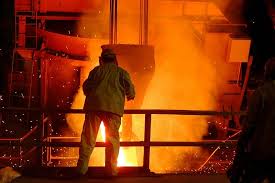
Picture credit: www.rawpixel.com
35