
The ongoing saga of the Sakhalin-1 project and Exxon Mobil’s potential return is becoming a key test case for President Trump’s transactional approach to foreign policy. It encapsulates the strategy of using economic deals to achieve specific geopolitical outcomes.
The core of the issue is whether the US is willing to bend its own sanctions policy to create an incentive for Russia. The offer of Exxon Mobil’s re-entry is a powerful economic carrot being dangled to encourage peace talks in Ukraine.
This move is a classic example of transactional diplomacy: a specific economic benefit is offered in exchange for a specific political concession. It aligns perfectly with President Trump’s desire to be seen as a master deal-maker on the world stage.
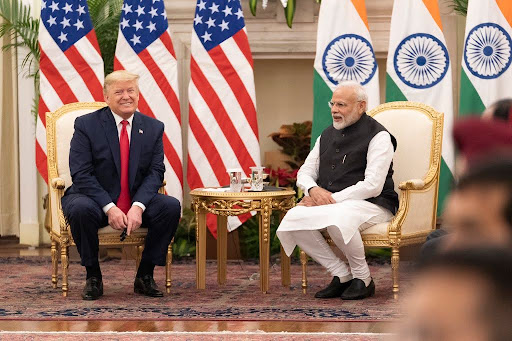
The test lies in the consequences. While pursuing this deal with an adversary, the administration is simultaneously punishing an ally, India, with 50% tariffs for similar activities. The success of this policy will be judged on whether the deal with Russia materializes and whether the damage to the alliance with India is deemed an acceptable cost.
The Sakhalin-1 Saga: A Test Case for Trump’s Transactional Foreign Policy
Picture Credit: www.picryl.com
49