
US officials are quietly signaling that the long-promised semiconductor tariffs — a major pillar of Donald Trump’s economic agenda — may not be implemented as soon as expected. The delay marks a significant pause in a strategy that has dominated Washington’s trade discussions for months.
According to individuals briefed on internal conversations, government and industry stakeholders were informed over the past week that the administration is proceeding cautiously. Insiders say the hesitation stems from concerns that aggressive tariff action could trigger another trade confrontation with China.
Advisers reportedly worry that sudden, sweeping tariffs could disrupt the flow of rare earth minerals and other critical inputs that US industries rely on. Officials have emphasized that although no final decision has been made, the administration is intentionally slowing its approach to avoid a diplomatic rupture.
The White House has publicly denied any change in posture, insisting that it remains committed to reshoring manufacturing and protecting national security. However, officials have not offered clarity on when the tariffs — discussed since early in Trump’s presidency — will actually be announced.
The timing is politically delicate. With US consumers worried about rising prices, imposing taxes on imported chips could increase the cost of electronics just as the holiday season approaches. Meanwhile, Trump is trying to maintain a fragile truce with China following recent talks with President Xi Jinping.
White House Slows Chip Tariff Rollout Amid Fears of Renewed China Clash
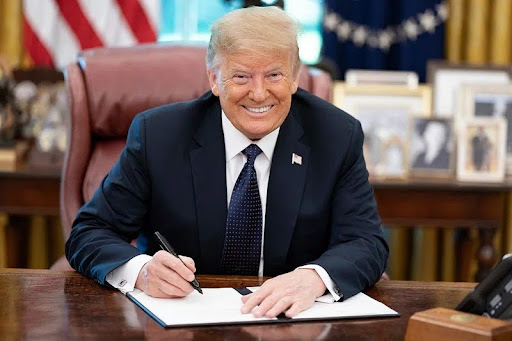
Picture Credit: www.rawpixel.com
30