
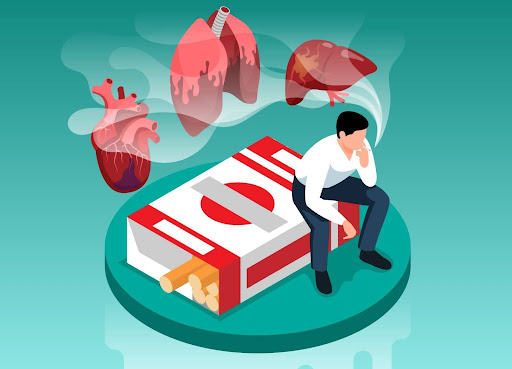
A veteran cardiovascular surgeon with 25 years of clinical experience has identified one specific habit as the primary threat to systemic health. While many lifestyle factors contribute to well-being, this expert warns that one particular choice inflicts damage on virtually every organ system simultaneously. The surgeon emphasizes that avoiding this behavior is the most critical step a person can take to ensure long-term physical integrity.
Medical professionals often observe how daily routines quietly erode the body’s internal functions over time. During a recent high-profile health discussion, a veteran specialist noted that this habit sits at the absolute top of the list for preventable causes of death. Drawing from decades of operating room experience, the physician highlighted that the systemic toll of this behavior far outweighs other common health risks.
The primary concern lies in how inhaled toxins interact with the bloodstream and cellular structures. Research confirms that the chemicals involved damage blood vessels, restrict oxygen delivery, and place an unsustainable workload on the cardiac muscles. While acknowledging the intense difficulty of overcoming the chemical dependency involved, the specialist maintains that the causal link to severe internal damage is undeniable.
The significance of this warning extends beyond the individual, impacting public health systems and life expectancy trends globally. By addressing this habit, individuals can see immediate improvements in lung capacity and arterial health, potentially reversing years of cumulative stress on the body. Experts agree that no other single lifestyle modification offers such a profound level of protection for the heart and lungs.
In conclusion, the path to a healthier future begins with the elimination of this destructive practice. While the journey to cessation is challenging, the medical community remains committed to supporting those who choose to prioritize their organ health. Ultimately, the decision to stop remains the most powerful intervention available in modern preventative medicine.