Scientists have uncovered alarming evidence that minor adjustments to what users see on X (formerly Twitter) can dramatically accelerate political division. In a landmark study, researchers discovered that subtle changes to users’ feeds produced shifts in political polarization equivalent to what historically took three years to develop—all within a single week.
The experiment involved over 1,000 users during the heated 2024 US presidential election. Researchers manipulated the “for you” feed to either increase or decrease exposure to posts containing anti-democratic sentiments and partisan hostility. Most participants remained completely unaware their feeds had been altered, yet the psychological impact was measurable and significant.
When users encountered slightly more divisive content, their negative feelings toward political opponents intensified substantially. The research team measured these changes using a “feeling thermometer” scale, finding shifts of more than two degrees on a 100-point scale. This magnitude of change normally requires years to develop through natural societal trends, demonstrating the extraordinary influence of algorithmic content curation.
The study’s implications extend beyond simple political disagreement. Researchers found that repeated exposure to anti-democratic attitudes and partisan animosity didn’t just polarize users—it also increased feelings of sadness and anger. This emotional toll suggests that social media algorithms may be affecting mental health alongside political attitudes, creating a more hostile online environment that bleeds into real-world interactions.
However, the research offers hope alongside its warnings. The same algorithmic power that can increase division can also reduce it. When researchers down-ranked divisive content, political animosity decreased by similar amounts. This suggests platforms possess untapped potential to foster political harmony, though doing so might require sacrificing some user engagement metrics that drive advertising revenue.
How Your Social Media Feed Could Be Reshaping Your Politics in Just Seven Days
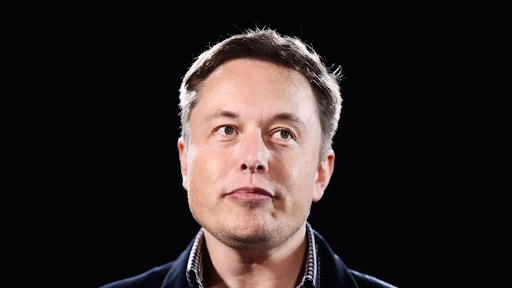
Picture credit: www.universe.roboflow.com
28