
A staggering $3 trillion is projected to be spent on AI datacenters by 2028, sparking a debate over whether this is a sustainable technological boom or a massive, debt-fueled bubble. These facilities are the essential “central nervous system” for powerful AI like ChatGPT, driving massive investments and staggering company valuations.
Tech giants are leading the charge. Nvidia recently became the world’s first $5tn company, while Microsoft and Apple have breached the $4tn mark. Alphabet, Google’s parent, reported a record $100bn quarter, largely thanks to its AI infrastructure. This financial optimism is fueling massive spending, with “hyperscalers” like Amazon, Meta, Google, and Microsoft set to spend over $750bn on AI-related capital expenditure in the next two years.
However, significant concerns are emerging about how this spree is funded. Analysts at Morgan Stanley estimate a $1.5tn funding gap that needs to be covered by sources outside of Big Tech’s cash flow. Much of this gap is expected to be filled by private credit, a less-regulated part of the shadow banking sector that has already raised alarms at the Bank of England.
Experts warn this “speculative” side of the boom carries systemic risk. Gil Luria of DA Davidson notes that debt providers, eager to fund anything AI-related, may be misjudging the risks of investing in unproven assets. If this debt, potentially rising to hundreds of billions, sours, it could “represent structural risk to the overall global economy.”
This skepticism is bolstered by troubling data. An MIT study found 95% of organizations are getting zero return on their generative AI pilots. Furthermore, the Uptime Institute suggests many announced datacenter projects are “speculative” and “will never be built,” serving more as hype than reality. The industry is betting trillions that user demand, like ChatGPT’s 800 million users, will eventually justify the enormous cost.
The $3 Trillion Question: AI’s Datacenter Boom or a Speculative Bubble?
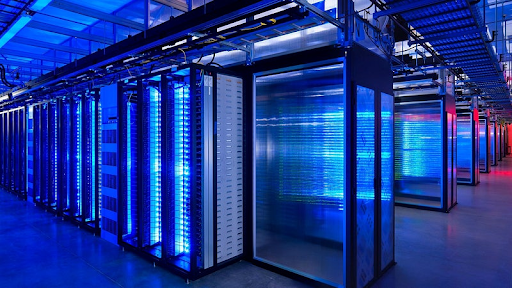
Picture Credit: www.rawpixel.com
42