
British manufacturers are bracing for a significant administrative burden starting in January as the government failed to secure an anticipated exemption from the European Union’s new carbon border adjustment mechanism. The exemption, which UK officials had hoped would be finalized before Christmas, will now not materialize until at least Easter, according to industry sources.
The carbon border adjustment mechanism requires exporters to provide comprehensive documentation detailing carbon emissions generated during their manufacturing processes. This requirement will affect approximately £7 billion worth of UK exports to the EU, covering a wide range of products including steel, aluminium goods, washing machines, car parts, fertilizer, cement, and energy products. The paperwork requirements have been compared to the administrative challenges businesses faced following Brexit, when new customs and standards documentation became mandatory.
Industry representatives have expressed serious concerns about the impact on businesses, particularly smaller enterprises. UK Steel has indicated that the exemption is unlikely to be implemented before Easter 2025, leaving exporters to navigate complex reporting requirements during the interim period. Manufacturing trade body Make UK has described the forthcoming paperwork as “extensive” and warned it would significantly impact businesses across the sector.
The financial implications, while not immediately catastrophic, could prove decisive in competitive markets. For instance, the tax on hot rolled wire, a construction and engineering material, stands at €13 per tonne on products costing approximately €650 per tonne. According to industry experts, the steel sector operates on extremely tight margins where differences of just €5 per tonne can determine whether companies win or lose contracts, especially when competing against imports from China.
The situation is further complicated by existing EU steel tariffs that doubled to 50% earlier this year, matching measures introduced by Donald Trump. EU Climate Commissioner Wopke Hoekstra acknowledged ongoing discussions with UK counterparts but emphasized that formal negotiations must proceed through two distinct stages: establishing terms of reference and then addressing emissions trading systems. While the commissioner suggested the immediate financial impact would be minimal due to Britain’s decarbonization progress, UK government officials maintain that securing a carbon linking agreement remains their top priority to protect £7 billion in exports.
British Exporters Face New EU Carbon Tax Paperwork From January as Exemption Talks Stall
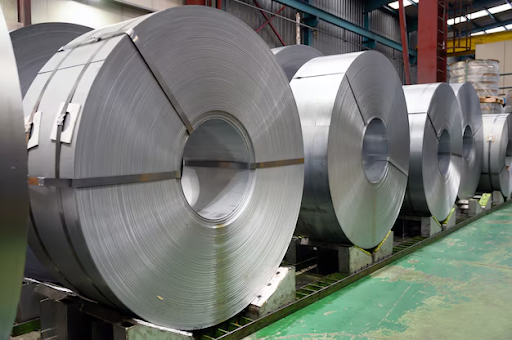
Picture Credit: www.freepik.com
23