
The global cryptocurrency market has suffered a catastrophic blow, shedding more than $1 trillion in value over a volatile six-week period. This dramatic downturn, which represents a 25% decline across more than 18,500 different coins, has left investors reeling. Bitcoin, the market leader, has not been spared, plummeting 27% to trade at $91,212—its lowest price point since April. The sharp sell-off is being driven by a “perfect storm” of economic anxiety, primarily fueled by fading hopes for a US Federal Reserve interest rate cut and growing terror regarding a potential technology bubble.
The ripples of this financial tremor are being felt far beyond the digital currency exchanges. Traditional stock markets are flashing warning signs, with the UK’s FTSE 100 marking its fourth consecutive day of losses, falling 1.3%. Across the Atlantic, Wall Street is also in retreat, with the Nasdaq and S&P 500 dropping significantly. This synchronized drop suggests that risk appetite is evaporating globally. Investors are retreating from high-growth assets, spooked by the possibility that the massive valuations seen in the tech sector are unsustainable.
At the heart of this anxiety is the booming Artificial Intelligence sector. Industry titans are beginning to voice concerns that the AI hype has detached from reality. Sundar Pichai, the head of Alphabet, recently admitted in an interview that there is clear “irrationality” in the current market fervor surrounding AI. His stark warning—that “no company is going to be immune” if the bubble bursts—has sent chills through the investment community, suggesting that the correction could be widespread and indiscriminate.
Further compounding the issue are comments from financial heavyweights like JP Morgan Chase’s Daniel Pinto, who suggested that AI valuations are overdue for a reassessment. The concern is that billions of dollars are blindly flowing into computing infrastructure and chipmakers like Nvidia, which recently hit a $4 trillion valuation. Sebastian Siemiatkowski, CEO of Klarna, highlighted a critical risk: because of how index funds operate, ordinary people’s pensions are automatically funneled into these high-valuation tech stocks, exposing the general public to significant losses if the trend reverses.
Even gold, traditionally the ultimate safe-haven asset during times of turmoil, has failed to hold its ground. Spot prices dipped to $4,033 an ounce, driven down by the high-interest-rate environment which makes non-yielding assets less attractive. However, some analysts remain optimistic about the precious metal. UBS strategists believe that while gold is currently suffering alongside crypto and equities, it is likely to bottom out and recover as central banks continue to diversify their reserves, offering a glimmer of hope in an otherwise bleak financial landscape.
Crypto Bloodbath: Trillion-Dollar Wipeout Signals Market Panic
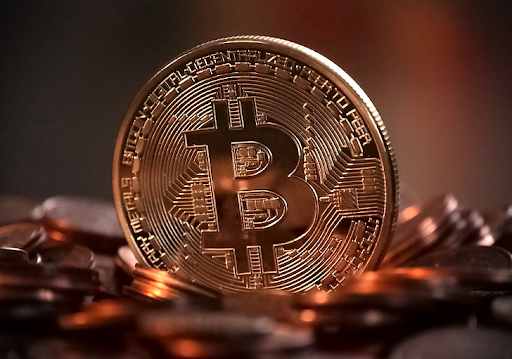
Picture credit: www.pickpik.com
30