
Oil markets have experienced their most dramatic annual collapse since the COVID-19 pandemic struck in 2020, with prices plummeting almost 20% throughout 2025. This marks an unprecedented third consecutive year of losses for the energy sector, a streak never before witnessed in modern oil market history.
The decline has persisted despite significant geopolitical tensions in key energy-producing regions around the world. Market analysts describe the current situation as dramatically oversupplied, with production levels far exceeding what the global economy actually requires. This fundamental imbalance has pushed prices downward relentlessly throughout the year.
Brent crude settled at $60.85 per barrel on the final trading day of 2025, representing a steep drop from nearly $74 at the end of 2024. American oil benchmarks followed a similar trajectory, falling 20% to $57.42. The decline accelerated when crude dipped below $60 per barrel last month for the first time in nearly five years, triggered partly by diplomatic progress toward resolving the Russia-Ukraine conflict.
The International Energy Agency projects that global oil supplies will exceed demand by approximately 3.8 million barrels daily this year. This surplus persists even after OPEC cartel members agreed to postpone production increases until after the first quarter. The oversupply stems from multiple factors, including disappointing economic growth in major economies and reduced demand from China, the world’s largest energy importer, due to trade tensions with the United States.
Major financial institutions predict further price erosion ahead. Analysts at BNP Paribas forecast prices could fall to $55 per barrel by spring, while strategists at both JPMorgan Chase and Goldman Sachs anticipate Brent crude slipping into the $50s throughout 2026. For consumers, falling oil prices could translate into relief at fuel pumps and help moderate broader inflation, though energy regulators have announced a slight increase to household energy bills despite the crude price collapse.
Global Oil Markets Crash Nearly 20% in Historic Three-Year Decline
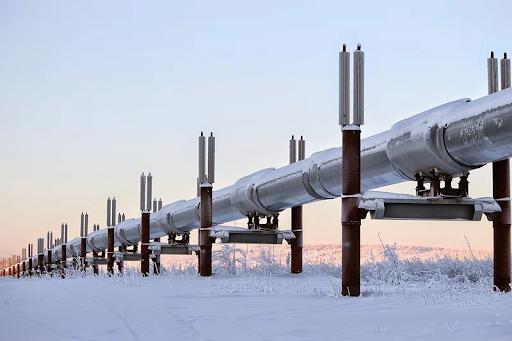
Picture Credit: www.rawpixel.com
16