
A strategic win involving US tax policy played a significant role in the series of events that made Elon Musk a half-trillionaire this week. Tesla’s record-breaking quarterly sales, which fueled the pivotal stock surge, were heavily influenced by a rush of consumers capitalizing on an expiring government incentive.
The company’s announcement of 497,099 vehicle deliveries for the July-September period was a massive upside surprise for the market. A key driver behind this number was the looming expiration of a tax credit for electric vehicle buyers in the United States, which created a powerful, short-term incentive for customers to finalize their purchases.
Tesla’s ability to meet this surge in demand demonstrated its production and delivery prowess. The market rewarded this performance by sending the company’s stock higher, adding to its 13% year-to-date gain and pushing its total valuation over the $1.5 trillion mark.
This stock price increase had a direct and monumental impact on Musk’s net worth. As the owner of 12% of the company, the rally pushed his personal fortune over the historic $500 billion line, making him the first person ever to reach that level.
While his wealth is the result of years of innovation at Tesla, SpaceX, and now xAI, this specific milestone was undeniably aided by a confluence of market forces and public policy. It serves as a clear example of how government incentives can directly influence corporate revenues and, by extension, create historic levels of personal wealth.
Tesla’s Tax Credit Triumph: How Policy Played a Role in Musk’s $500B Milestone
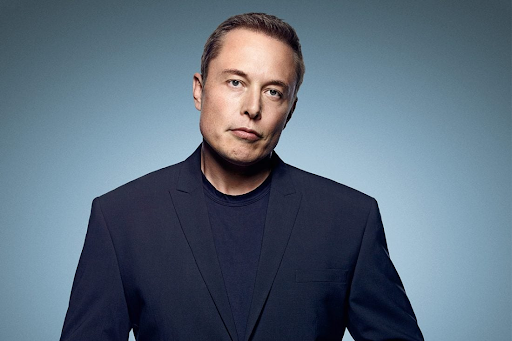
Picture Credit: universe.roboflow.com
35