
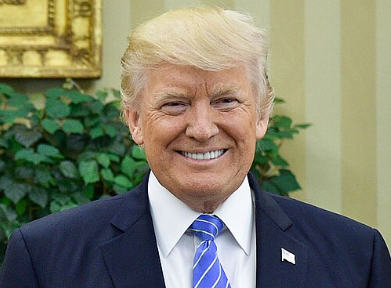
In a move that has sent shockwaves through the financial sector, Donald Trump has announced a plan to cap credit card interest rates at 10% for one year. The former president took to social media on Friday night to declare that the new restriction would go into effect on January 20. In his post, he framed the initiative as a defense of the American public, arguing that citizens have been exploited by credit card companies charging exorbitant rates of 20% to 30%. He specifically linked the timing of the policy to the anniversary of his administration, characterizing the current high rates as a failure of the Biden era.
The announcement comes against a backdrop of soaring consumer debt. During the third quarter of 2024, American credit card debt reached a staggering $1.17 trillion, a significant jump from $770 billion in early 2021. This rising financial burden was a key talking point during Trump’s second campaign, where he initially promised to implement a cap. However, details regarding the enforcement of this new policy remain scarce. Critics and industry experts are already questioning how the administration intends to compel companies to comply without specific legislative backing or a clear regulatory framework.
The proposal has reignited conversations started by Senators Bernie Sanders and Josh Hawley, who introduced a bipartisan bill in February 2025 aiming for a similar 10% cap. At the time, the senators condemned major financial institutions for engaging in what they termed “extortion and loan sharking.” Despite their efforts, the legislation stalled in Congress following heavy opposition from banking groups. Interestingly, just a day before Trump’s announcement, Sanders had publicly criticized him for failing to act on his campaign pledge to curb Wall Street’s power.
Reaction to Trump’s sudden policy shift has been mixed, with significant pushback from the banking industry. A coalition of financial organizations, including the American Bankers Association and the Consumer Bankers Association, issued a joint statement warning of unintended consequences. They argued that while the goal of affordable credit is shared, a hard cap would likely force lenders to tighten approval standards, effectively cutting off credit access for millions of families and small businesses who rely on it the most.
Meanwhile, individual reactions from high-profile figures have highlighted the complexity of the issue. Billionaire hedge fund manager Bill Ackman initially called the move a mistake, fearing that lenders would simply cancel cards if they couldn’t price in risk. He later clarified that while lowering rates is a worthy goal, a 10% cap could exclude subprime borrowers from the market entirely. Conversely, Senator Josh Hawley applauded the move, expressing his eagerness to support the initiative, while Senator Elizabeth Warren remained skeptical, dismissing the announcement as performative without a solid legislative plan.