
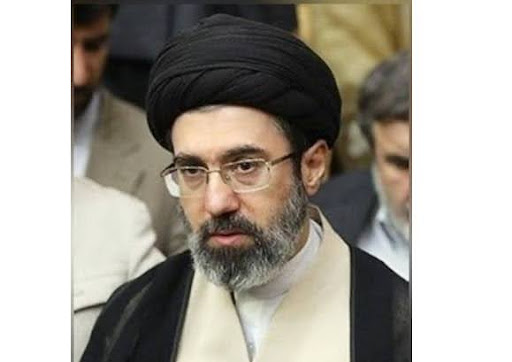
Iran has entered a new chapter in its political history following the appointment of Mojtaba Khamenei as the country’s supreme leader. The 56-year-old cleric and son of the late Ayatollah Ali Khamenei was selected by the Assembly of Experts through what the body described as a decisive vote. The decision was announced Sunday, with state media broadcasting calls for national unity and allegiance to the new leader.
Mojtaba Khamenei has spent decades operating quietly within the inner circles of his father’s government, cultivating strong ties with conservative clergy and key figures in the Islamic Revolutionary Guards Corps. Born in 1969 in Mashhad, he studied theology in Qom and was reportedly involved in the Iran-Iraq war in its later stages. His name first surfaced publicly during the 2009 election protests, though he has never publicly addressed issues of succession or governance.
The announcement drew swift reactions from across the region. Yemen’s Houthi rebels praised the appointment, calling it a victory for the Islamic Revolution. Israel launched strikes on what it described as regime infrastructure inside Iran shortly after the announcement, while Iranian state media showed a missile bearing the inscription ‘At your command, Sayyid Mojtaba.’ The Israeli military also confirmed strikes on Hezbollah positions in Lebanon.
US President Donald Trump had previously stated he viewed Mojtaba Khamenei as an unacceptable successor and that Iran’s new supreme leader ‘would not last long’ without American approval. When asked about the appointment in an interview, Trump remarked ‘We’ll see what happens.’ Analysts view Mojtaba’s elevation as a signal of the regime’s intent to project strength rather than seek accommodation with the West.
The transition marks a historic moment: the first time since the 1979 revolution that supreme leadership has passed from father to son, raising uncomfortable questions about dynastic rule in a state founded in opposition to hereditary monarchy. As military strikes continue and oil prices surge, Iran’s new leader faces enormous pressure from all sides — foreign adversaries, internal debate, and a population bracing for the consequences of an intensifying war.