
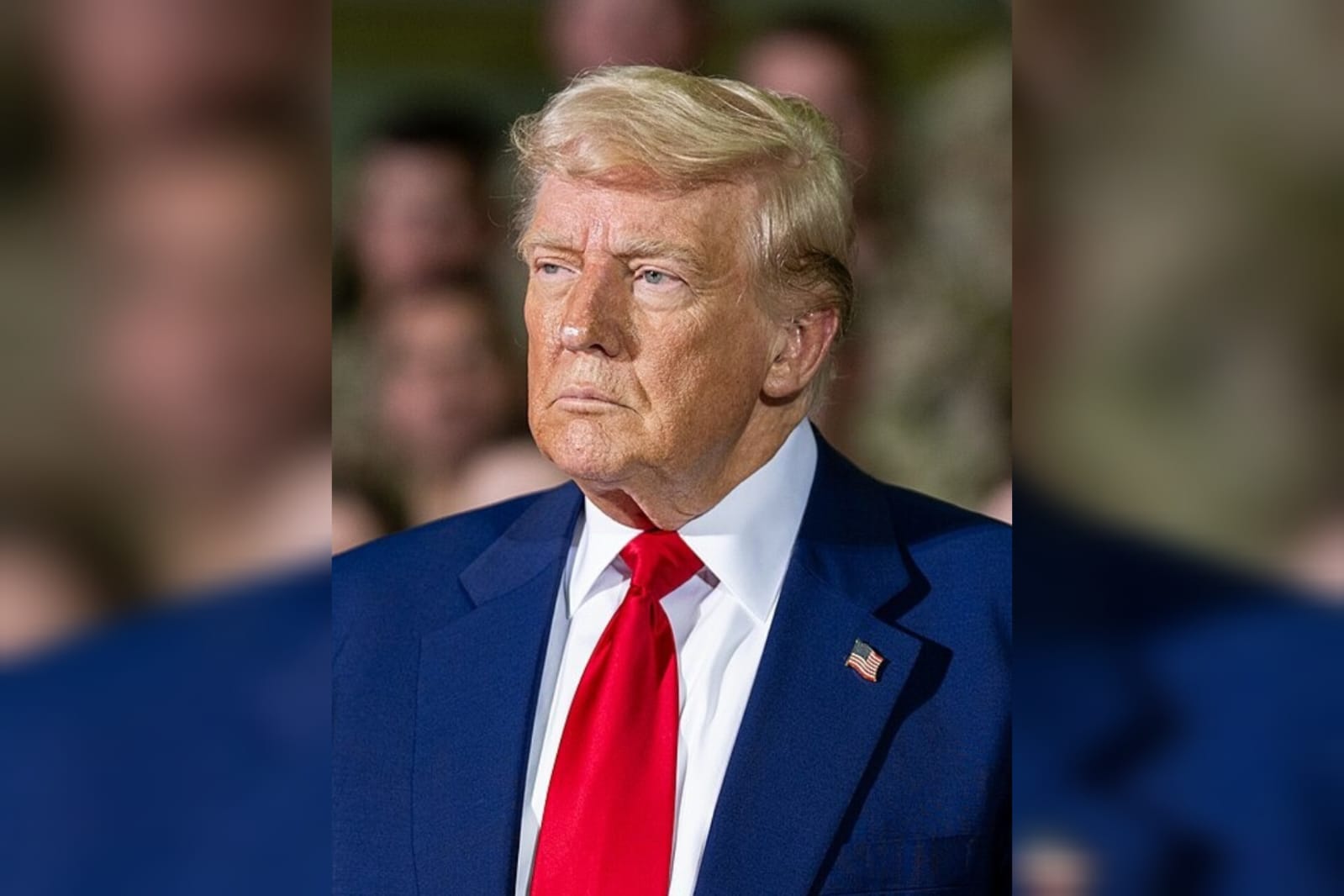
The United States and Iran have announced that their recently agreed-upon memorandum of understanding is now in effect, marking a significant advancement toward resolving tensions in West Asia. This development follows confirmation from U.S. President Donald Trump, who revealed that he signed the agreement during a dinner at the Palace of Versailles after the G7 summit. The deal was confirmed as active by both the White House and Iranian officials, with the latter noting that the document was concluded through electronic signatures from senior representatives of both nations.
A crucial component of the agreement is the immediate reopening of the Strait of Hormuz, a vital global shipping channel that faced disruptions due to the conflict. The memorandum also includes provisions for swift sanction waivers on Iranian oil exports, which will allow Tehran to restart its energy shipments under newly defined conditions. This framework establishes a 60-day period dedicated to negotiations on Iran’s nuclear program, with additional discussions anticipated regarding long-term verification measures and broader regional security agreements.
Part of the framework involves the potential creation of a substantial reconstruction fund for Iran, which would be supported by regional partners once a comprehensive nuclear deal is achieved. However, the U.S. has made it clear that any extensive financial aid would be contingent upon Iran’s compliance with the agreement and ongoing diplomatic progress.
While proponents view the agreement as a pivotal step in stabilizing global energy markets and easing regional tensions, there are skeptics who express concern about its implementation and the lasting effects it may have. These critics particularly focus on the challenges related to enforcing nuclear restrictions and maintaining commitments to regional security.