
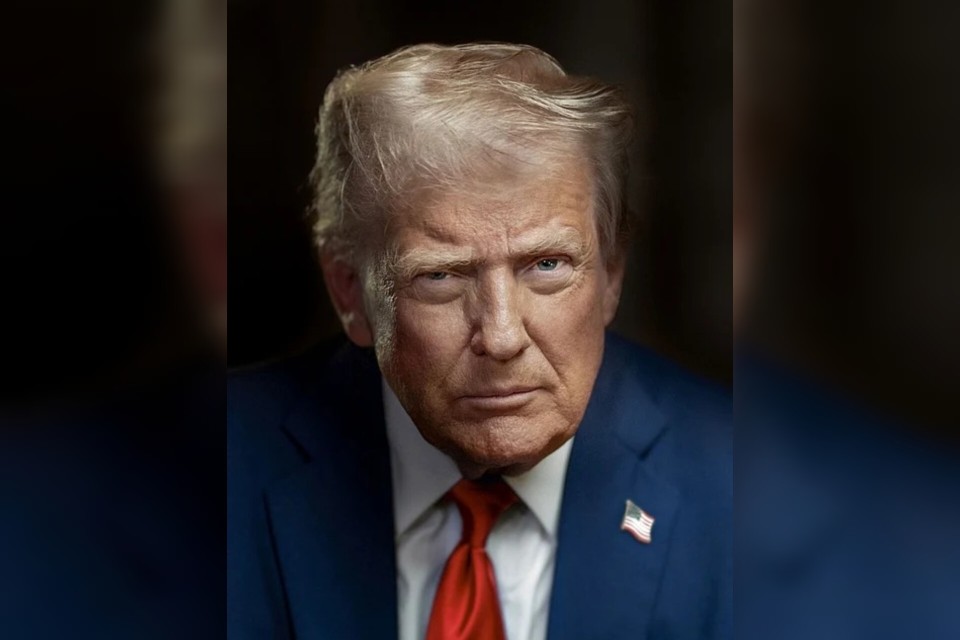
US President Donald Trump has announced that a peace agreement with Iran is nearing completion following extensive negotiations involving leaders from the Middle East, Pakistan, and Israel. According to Trump, the agreement would aim to reopen the Strait of Hormuz and address the conflict that erupted earlier this year. He noted that the deal is “largely negotiated,” with only a few details remaining before a formal announcement can be made.
The talks included participation from prominent figures such as Saudi Arabia, Qatar, Turkey, Egypt, the UAE, Jordan, Bahrain, Pakistan, and Israeli Prime Minister Benjamin Netanyahu. However, Iranian officials have contested some aspects of Trump’s claims, particularly concerning the control over the Strait of Hormuz. Iranian sources have emphasized that the strategic waterway will remain under their jurisdiction, including the regulation of shipping routes and permits.
Pakistan’s Prime Minister Shehbaz Sharif expressed optimism about the diplomatic progress, indicating that Pakistan hopes to facilitate another round of discussions between the United States and Iran soon. Pakistan’s army chief, General Syed Asim Munir, has been instrumental in mediation efforts and recently engaged in talks with Iranian leaders in Tehran.
The draft proposal reportedly includes terms such as a 60-day extension of a ceasefire, reopening the Strait of Hormuz without imposing tolls, reducing constraints on Iranian oil exports, and reviving negotiations over Iran’s nuclear program. In exchange, the United States could consider easing sanctions on Iranian ports and releasing frozen Iranian assets as part of a larger settlement.
Despite the diplomatic advances, tensions remain high. Trump has warned that military action could resume if talks fail, while some critics within the Republican Party argue that the proposed terms mirror previous nuclear agreements they oppose. The potential deal has sparked debate in Washington, with proponents viewing it as a chance to prevent further conflict and economic instability, while detractors fear it might bolster Iran’s regional influence.