
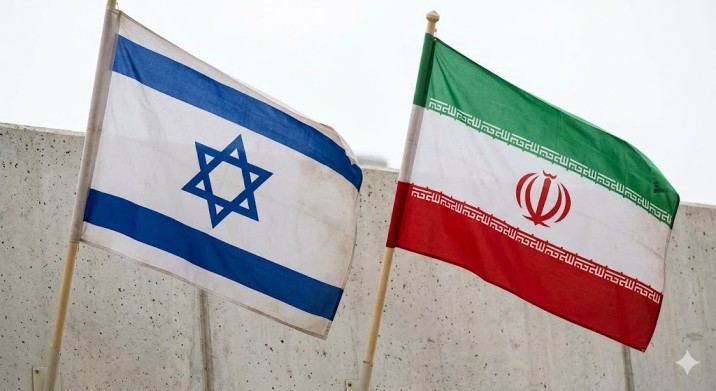
On Monday, Israel and Iran engaged in a series of military strikes, threatening the tenuous ceasefire established on April 8 and raising fears of a broader Middle Eastern conflict. The exchange began with Iranian missiles targeting northern Israel, prompting the Israeli military to retaliate with airstrikes on various locations within Iran. This marked the first direct confrontation between the two nations since the ceasefire was implemented.
Reports from Iranian authorities indicated that explosions occurred in multiple cities, including Tehran, Isfahan, Karaj, and Tabriz. In response, Israeli forces claimed to have hit military infrastructure and air defense systems in Iran, targeting sites such as a petrochemical facility. Meanwhile, Iran’s Islamic Revolutionary Guard Corps (IRGC) announced missile attacks on two Israeli military bases as part of what they called “Operation Nasr” (“Victory”). Although Israel successfully intercepted several missiles, explosions were reported in and around Jerusalem, with damage to homes in a West Bank settlement, though no injuries were reported.
The resurgence of hostilities has intensified concerns amid ongoing efforts to secure a wider peace agreement. Iranian officials have accused the United States of being complicit or supportive of Israel’s actions, cautioning that such attacks could adversely affect current diplomatic negotiations. The situation has further complicated regional dynamics, with the potential to derail the peace process.
Additionally, Yemen’s Houthi movement declared a missile strike on Israel and imposed a ban on Israeli-linked shipping in the Red Sea, heightening worries about disruptions to one of the world’s crucial maritime trade routes. This move could significantly impact global shipping and exacerbate the already fragile situation in the region.
The conflict has also sent ripples through global markets. Brent crude oil prices jumped by $3.50, reaching $96.59 per barrel, while Asian stock markets experienced declines due to fears of potential disruptions to energy supplies and regional stability. The instability in the Middle East continues to be a focal point for investors and policymakers worldwide, as they monitor the unfolding situation closely.