
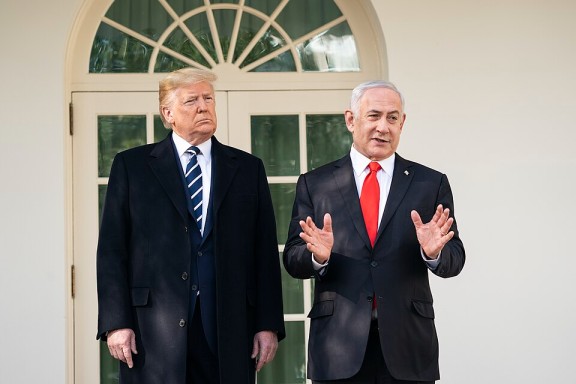
In a significant development, Israeli Prime Minister Benjamin Netanyahu and U.S. President Donald Trump engaged in a conversation on Sunday evening regarding the ongoing conflict with Iran. The discussion included deliberations on potentially renewing hostilities with Iran and reflected on Trump’s recent visit to China. Following this exchange, Netanyahu was scheduled to hold a high-level security meeting with his top advisors in Jerusalem, often referred to as the “small security cabinet,” which includes key figures like Foreign Minister Gideon Sa’ar and Defense Minister Israel Katz.
Amid escalating tensions, reports have surfaced indicating that the United States and Israel are intensifying preparations for a possible resumption of military actions against Iran. This comes shortly after a drone attack targeted a nuclear facility in the UAE, an ally that, along with Israel, has suffered significant impacts from Iranian hostilities. President Trump is also expected to convene a meeting with his national security team to evaluate military strategies concerning Iran. Despite stalled negotiations since a ceasefire on April 8, Trump remains optimistic about reaching an agreement with Iran, although he has issued stern warnings about potential consequences if Iran fails to respond swiftly.
In a cabinet meeting prior to his conversation with Trump, Netanyahu emphasized Israel’s vigilance towards Iran, expressing a readiness for various scenarios. During Trump’s recent summit with Chinese President Xi Jinping, discussions included China’s potential role in reopening the Strait of Hormuz, a critical route for global oil transit, which Iran has obstructed. Additionally, Xi assured Trump that China would refrain from supplying military support to Iran. Upon his return to the U.S., Trump shared a provocative AI-generated image suggesting imminent actions against Iran, implying a “calm before the storm.”
Iran has responded to these developments with warnings, as its armed forces spokesperson cautioned against renewed U.S. attacks, promising severe repercussions. Likewise, Iranian officials have issued threats concerning disruptions to the global oil supply if their oil infrastructure is targeted. Negotiations have been hindered by a lack of U.S. concessions, as reported by Iranian media, which also highlighted Iran’s demands for ending hostilities and lifting U.S. sanctions. Iran has also called for the cessation of the naval blockade and the release of its frozen assets.
The situation remains tense following a drone strike at the Barakah Nuclear Power Plant in the UAE, which did not result in any injuries or radiation threats. The UAE has accused Iran of orchestrating such attacks on its infrastructure. International Atomic Energy Agency head Rafael Grossi condemned the incident, underscoring the risks posed by military actions near nuclear sites. Despite the complexity of these geopolitical dynamics, the United States, Israel, and their allies continue to navigate the precarious landscape of Middle Eastern conflicts.