
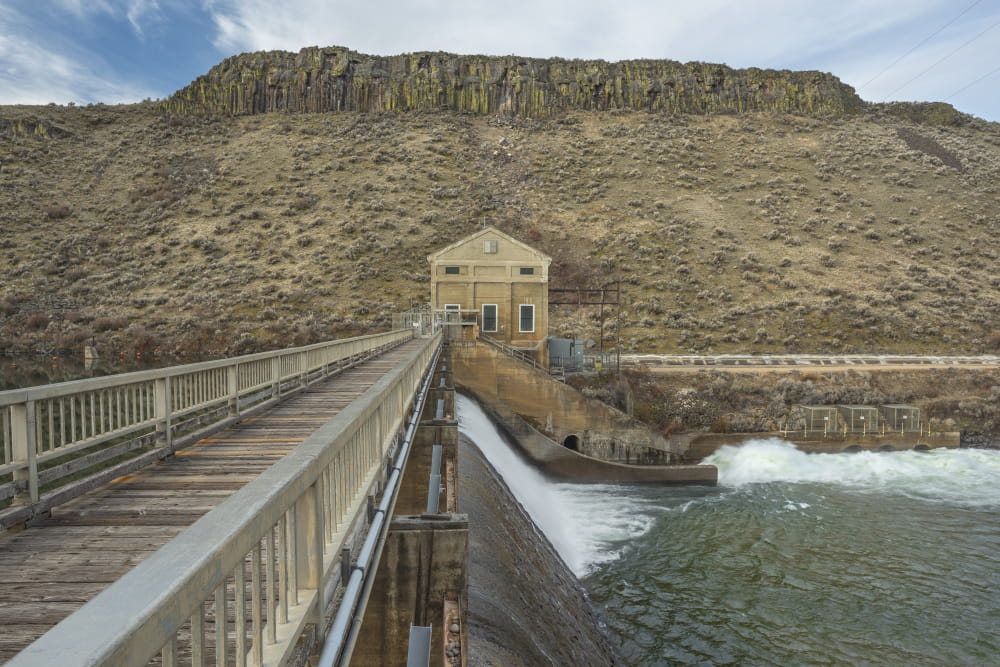
Cape Town’s dam levels have experienced a significant rise following a series of cold fronts that hit the Western Cape earlier this week. This development brings a sense of cautious optimism after officials had previously expressed concern over water levels being considerably lower than the previous year.
As of Wednesday, the combined storage capacity of the city’s six major dams increased to 67.8%. This marks a substantial improvement from the 48.3% recorded just a week earlier. The City of Cape Town, along with the National Department of Water and Sanitation, closely monitors these levels to assess the water availability in the region and determine if water restrictions are necessary for residents and businesses.
The dam levels are a critical component of the Mother City’s water supply, ensuring that there is enough water to meet the needs of the population. The Western Cape Water Supply System, which includes these dams, is a complex network of dams, pump stations, pipelines, and tunnels. It not only serves Cape Town but also provides water to towns in the Overberg, Boland, West Coast, and Swartland areas. Additionally, it supplies irrigation water for agricultural purposes.
With the recent rainfall bringing much-needed relief, the focus has shifted towards maintaining these levels and ensuring sustainable water management. The increase in dam levels is a welcome change, providing a buffer against potential water shortages in the future and offering a reprieve for both urban and agricultural users in the region.