
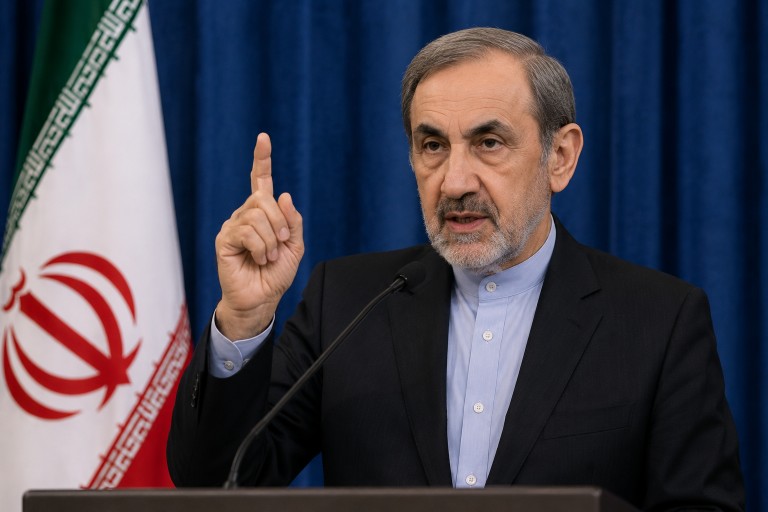
The diplomatic landscape between Iran and the United States has taken a dramatic turn following President Donald Trump’s announcement that the interim agreement aimed at easing tensions between the two nations is now null. In response, Ali Akbar Velayati, a senior adviser to Iran’s supreme leader, has issued a stern warning to Washington, accusing the U.S. of fanning the flames of conflict in the Gulf region. He emphasized that Iran is ready to react decisively to any further military provocations from the U.S., asserting that the nation remains vigilant with its “finger on the trigger.”
Trump’s declaration came during the NATO summit, where he dismissed the validity of the ceasefire agreement after Iran’s recent attacks on U.S. military bases located in Bahrain and Kuwait. These assaults were apparently in retaliation to American strikes on Iranian targets, which the U.S. conducted following attacks on commercial shipping vessels in the strategically crucial Strait of Hormuz.
The situation has escalated with Trump hinting at the possibility of further military actions against Iran. He noted that American forces are prepared to launch additional strikes should Iran persist in its aggressive behavior. Trump also alluded to strategic targets within Iran, such as Kharg Island, which might be considered for future military actions.
This renewed exchange of threats has cast a shadow over any remaining hope for reinstating the ceasefire and has heightened fears of a broader conflict in the Gulf region. These tensions are not only affecting regional security but are also causing disruptions in global energy markets, underscoring the volatile nature of the situation.