
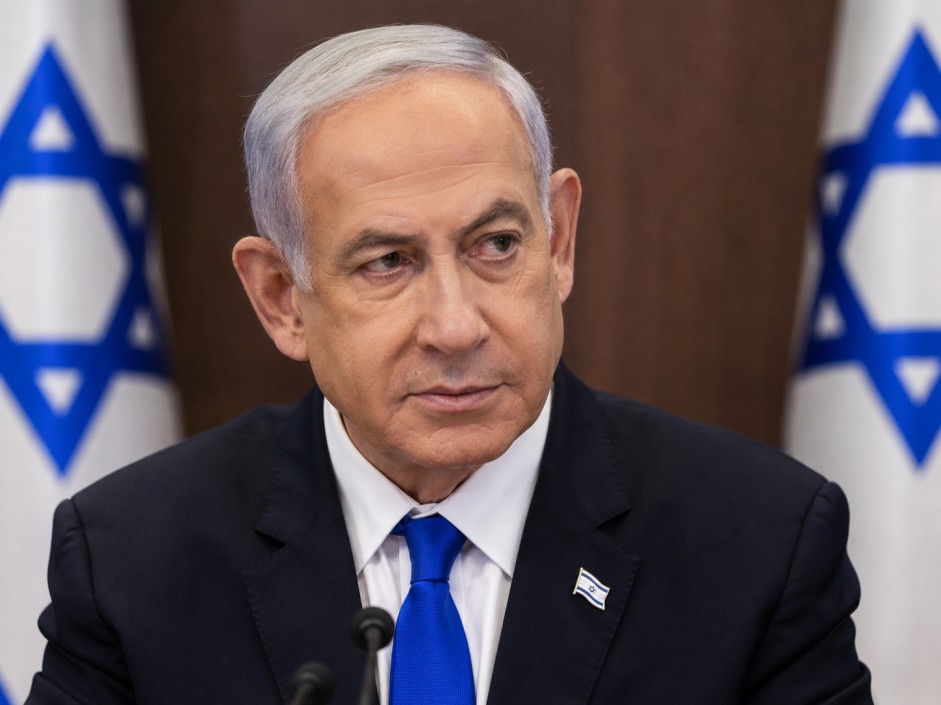
Israeli Prime Minister Benjamin Netanyahu has issued a stern warning to Iran, stating that any future attacks on Israel will be met with a significantly stronger military response. Speaking in Dimona, Netanyahu emphasized that Israel is prepared for every possible scenario, asserting that any new Iranian aggression would provoke a reaction “far more powerful” than previous operations. He underlined Israel’s commitment to act decisively against threats to its national security.
This warning arises amid escalating tensions in the Middle East, exacerbated by renewed exchanges between the United States and Iran. Iran has recently launched attacks targeting several allies of the United States in the region, with reports of explosions emerging from various locations within Iran. These developments have added fuel to the already volatile situation, causing widespread concern about potential further escalations.
In response to these heightened tensions, the United States has announced adjustments to its policy regarding the Strait of Hormuz. President Donald Trump has decided to abandon plans for a proposed transit fee, opting instead to focus on future trade and investment agreements with Gulf countries. This policy shift reflects an effort to stabilize the region through economic collaboration rather than additional financial burdens.
Amid these developments, the European Union Aviation Safety Agency (EASA) has updated its guidance for airlines, advising them to avoid the airspace over several Gulf countries due to increased security risks. The advisory suggests that the situation remains highly unpredictable and potentially dangerous, prompting safety precautions for international flights. Meanwhile, diplomatic efforts are ongoing, with regional mediators striving to de-escalate tensions and revive negotiations aimed at achieving a more stable and peaceful environment.