
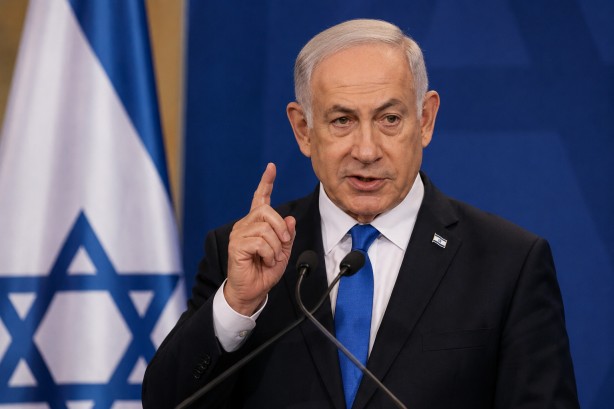
With the October 27 election fast approaching, Israeli Prime Minister Benjamin Netanyahu is rallying support for his Likud party, urging right-wing voters to avoid backing smaller parties that might not secure enough votes to enter the Knesset. Netanyahu’s campaign emphasizes that a dispersed vote among these emerging factions could jeopardize his coalition’s strength, potentially weakening their standing in the election.
Netanyahu’s plea comes amid the rise of several new right-wing parties that are anticipated to participate in the election. These parties could siphon off votes from Likud and other coalition members, threatening the overall unity and effectiveness of the right-wing bloc. By focusing on consolidating votes within Likud, Netanyahu aims to prevent any dilution of support that could lead to wasted votes if these smaller groups fail to surpass the electoral threshold necessary for representation.
The concern over vote fragmentation is particularly pressing for Netanyahu, as his political bloc is lagging in certain polls. This precarious position underscores the need for a cohesive voting strategy among right-wing supporters to ensure that opposition parties do not seize the opportunity to form the next government, a scenario Netanyahu is keen to avoid.
Netanyahu’s strategy highlights the delicate balance within Israeli politics, where the distribution of votes can significantly impact the formation of government coalitions. By advocating for a unified front, he hopes to maintain his party’s influence and continue leading the country without the instability that might arise from a fragmented right-wing vote.